
An independent homeowner field guide
Understand the roof above you.
A roof is more than its visible surface. Learn the material names, understand how the parts relate, and bring clearer questions to a qualified local professional.
Begin with the materialsNo quote forms. No contractor rankings.
Just useful vocabulary for a better conversation.
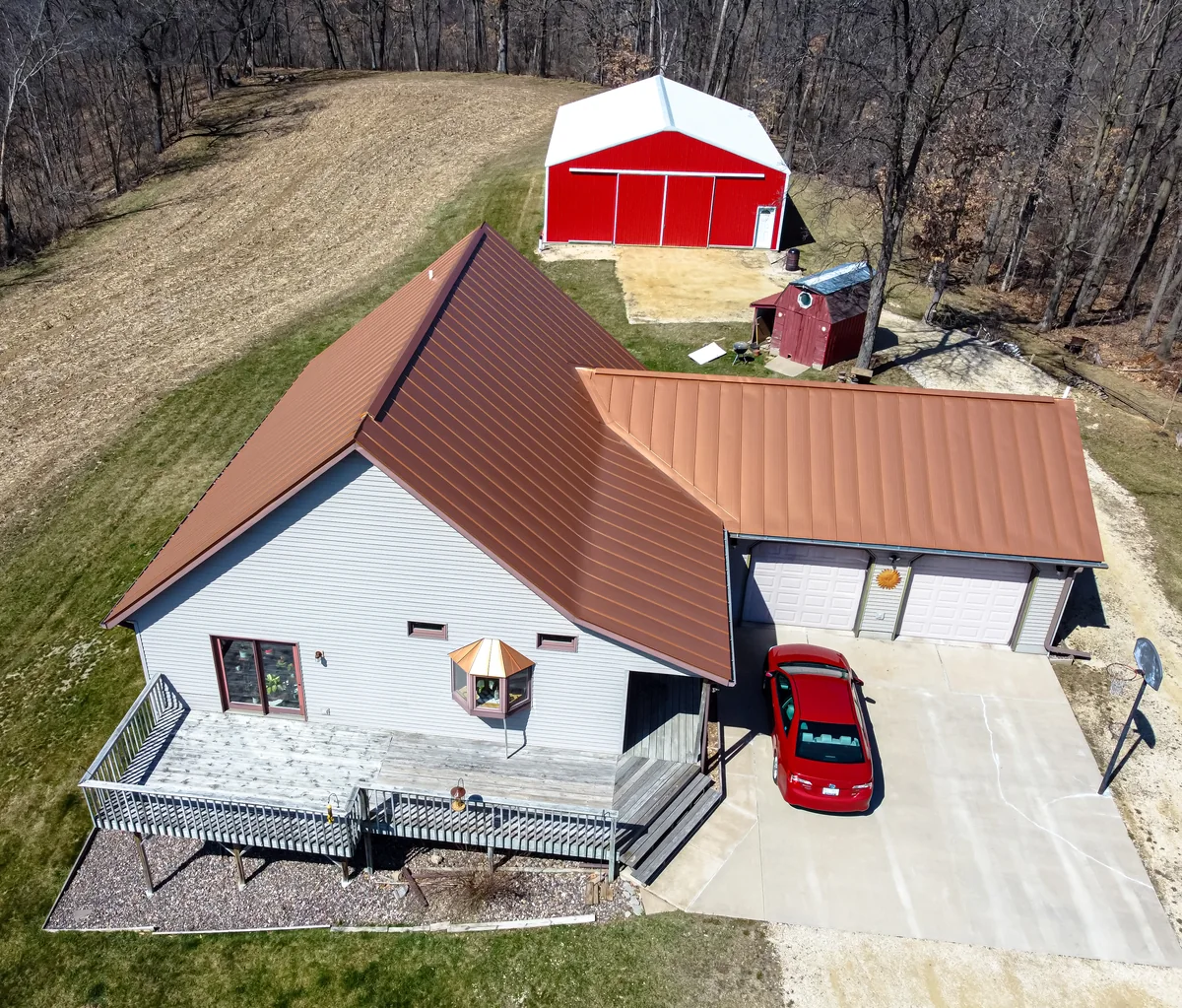

Start with a better mental picture.
The surface is the easiest part of a roof to notice: overlapping shingles, repeated tiles or long metal panels. It is also only one part of the conversation. Roof-system discussions include the substrate, underlayment, edges, flashings and the surrounding building. A material name alone does not tell you what an individual home needs.
This guide separates four questions that are often bundled together. What is the visible material? What sits beneath and around it? Where does water go? How does the surface respond to sunlight? You can explore them in any order, without turning a vocabulary lesson into an installation project.
Background: NRCA Guidance for homeowners (October 2020 article PDF) · DOE Guidelines for Selecting Cool Roofs (July 2010 PDF)
01 / The surface
Get familiar with the materials.
Names are a starting point. The exact product and the system around it are the next questions.
Explore roof materials →

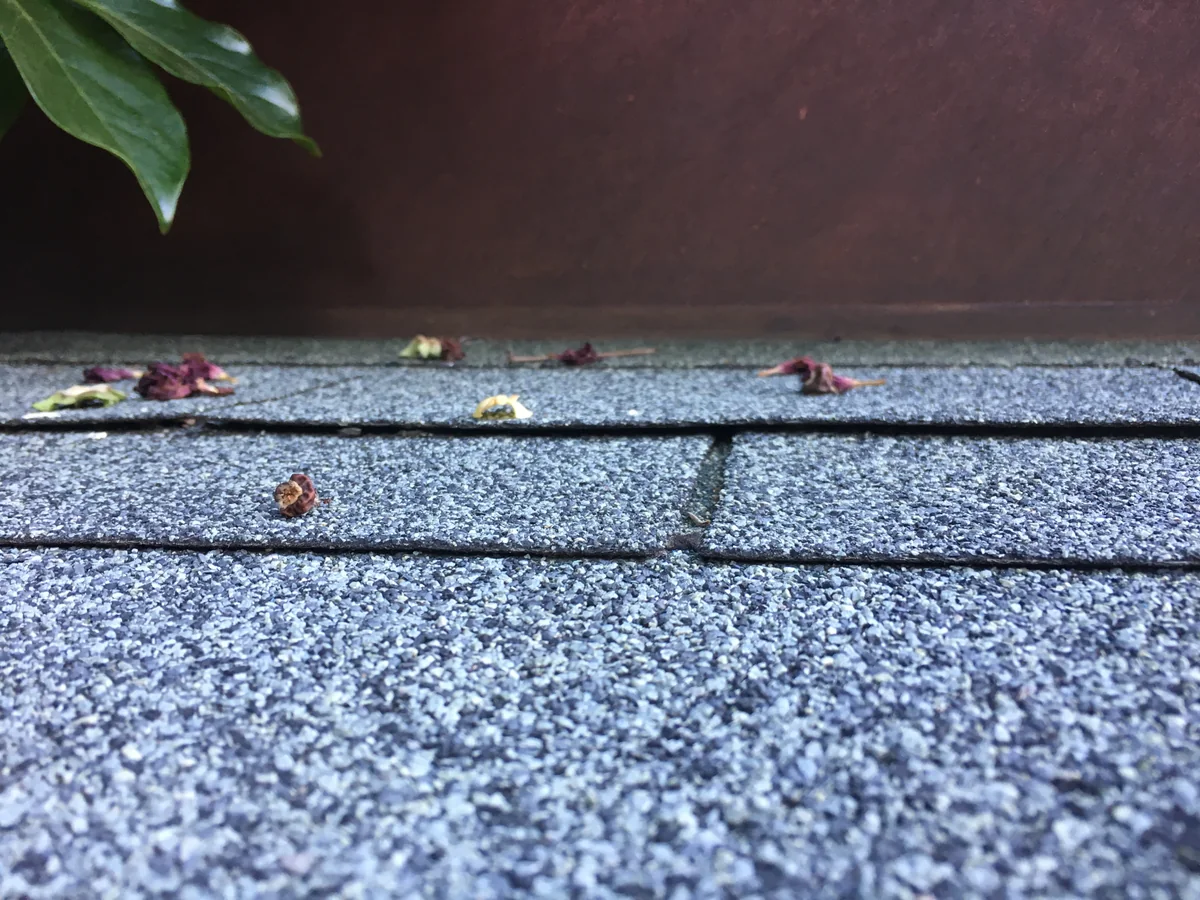

Different surfaces. Different questions.
Granular shingles and long metal seams create very different visual patterns. Neither photograph establishes the right choice for a home.
Use the material chapter to put names to familiar families, without turning them into a ranked list.
Compare the conversation questions →02 / Under the surface
Think in systems,
not single products.
Read the parts together: the outer covering, supporting layers, edges and surrounding building.
A historic preservation photograph makes the distinction visible. It is an example of exposed framing, not a specification for a modern home.
Understand the roof system →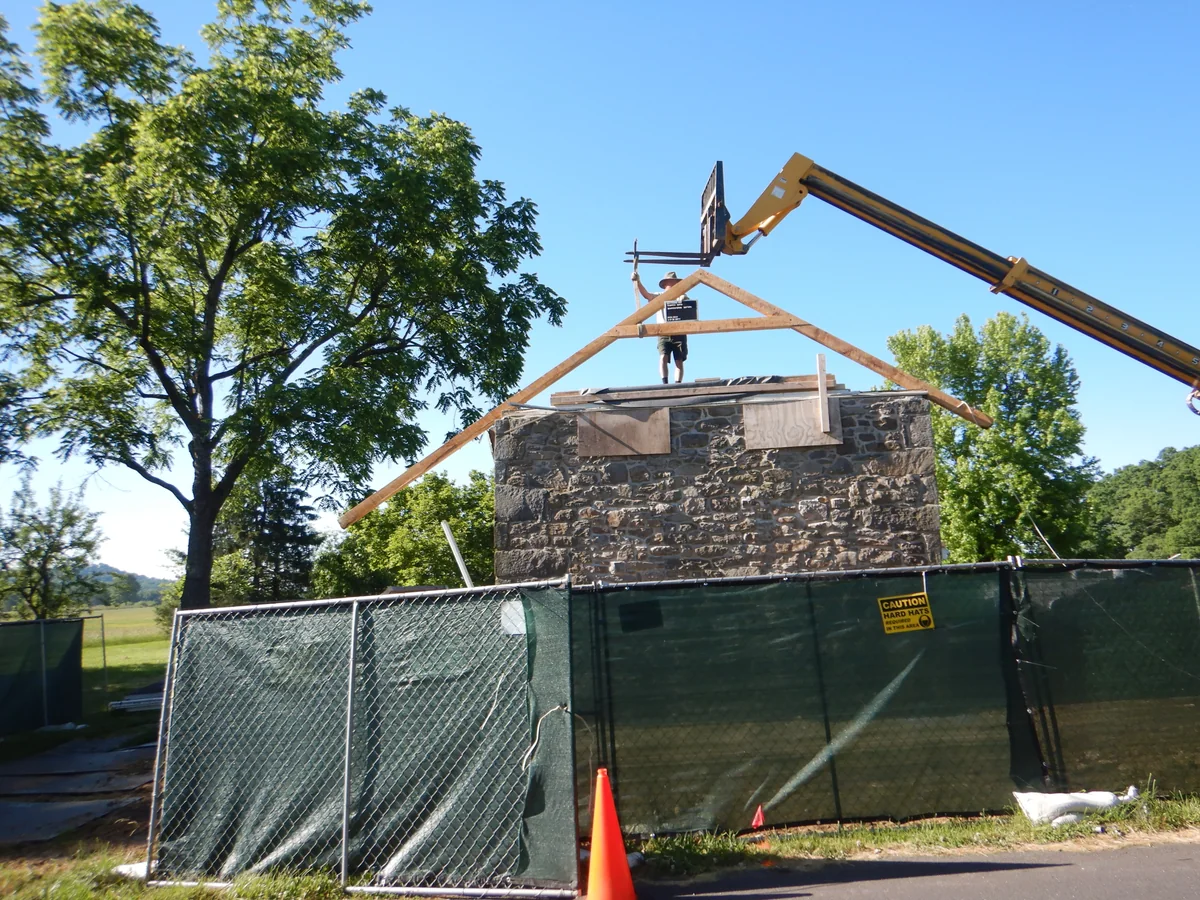
.JPG)
.JPG)
03 / Beyond the edge
Water needs a destination.
Collection is one part of the path. Learn how roof edges, wall transitions and downspouts belong in one discussion.
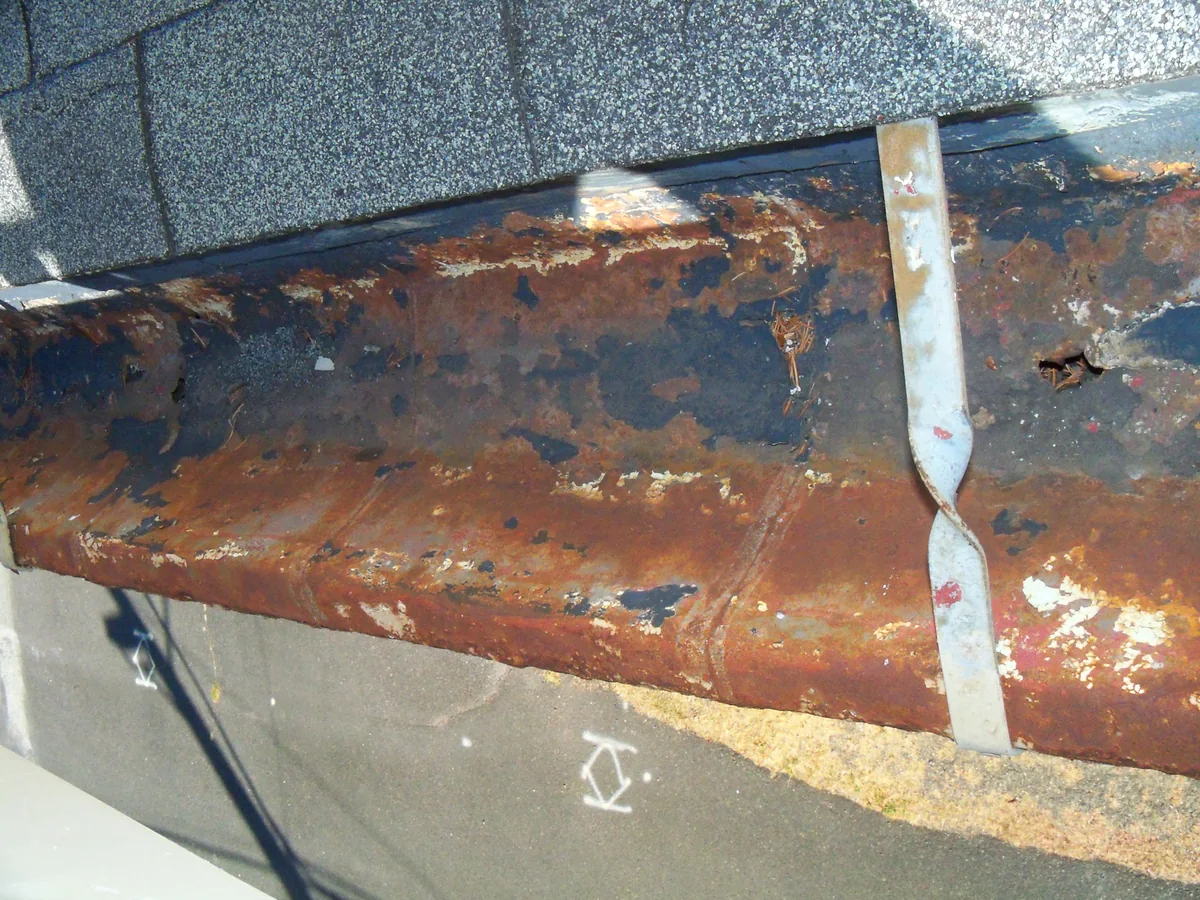
This historic gutter is shown accurately as an existing, rusted component. It is not an installation example or a repair recommendation.
Follow the water conversation →04 / In the sunlight
Color is not the whole cool-roof story.
Solar reflectance and thermal emittance describe different properties. Learn the terms before treating a photograph or a color name as performance evidence.
Read the cool-roof introduction →05 / Your next conversation
Bring questions,
not assumptions.
The print-friendly question sheet keeps materials, system scope, water paths and surface evidence separate. Use it with a qualified local professional.
Open the question sheetInformation, not a sales pitch.
Guerrero Roofing Guide is an independent, AI-assisted educational publication. It does not install roofs, arrange quotes, recommend a roofing company or assess your home. There is no hidden request form and no promise of savings, remaining roof life or project suitability.
The photographs show outside examples of materials and historic preservation work. They do not show our work. Our source notes explain what each reference supports, and our About page explains the limits of the guide. For a specific project, take the question sheet to a qualified local professional rather than trying to make a decision from photographs.